Dr. Martens Men’s Black Lace-Up Shoes: Fit, Care Guide
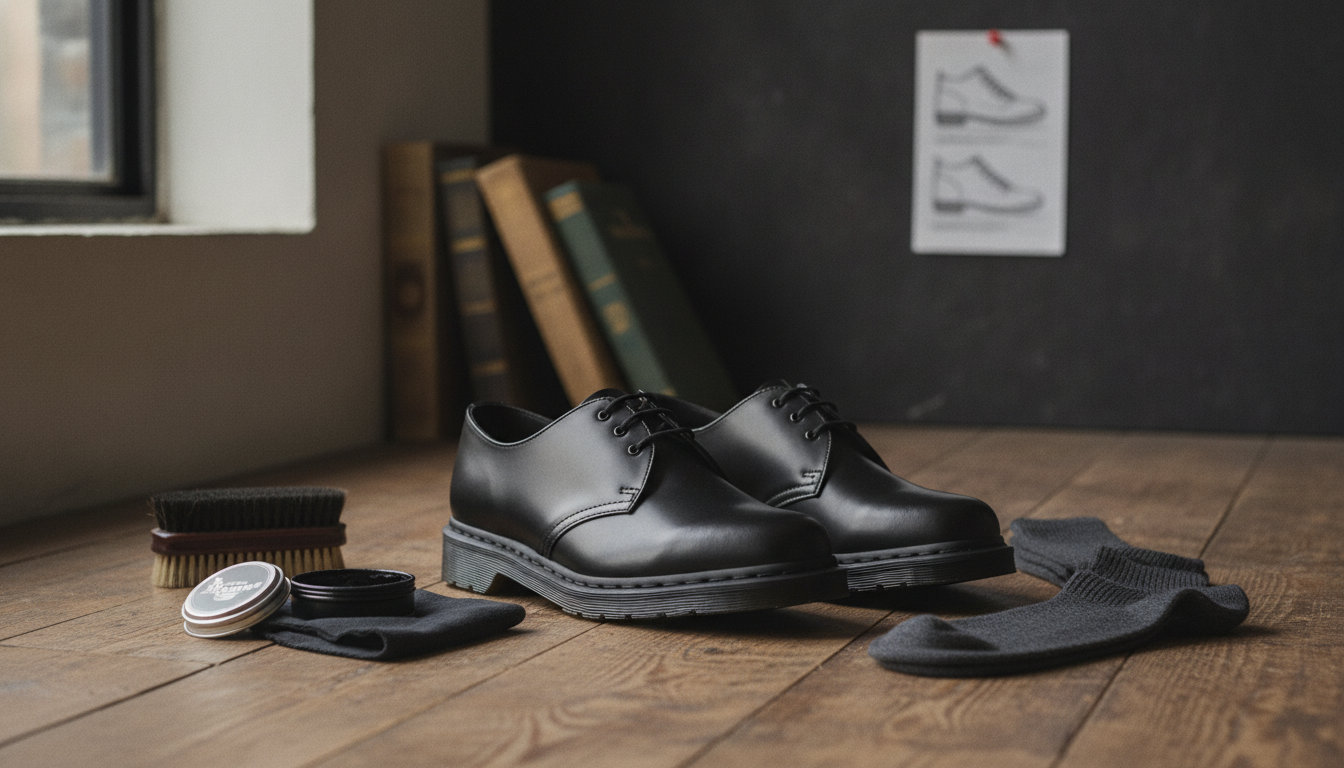
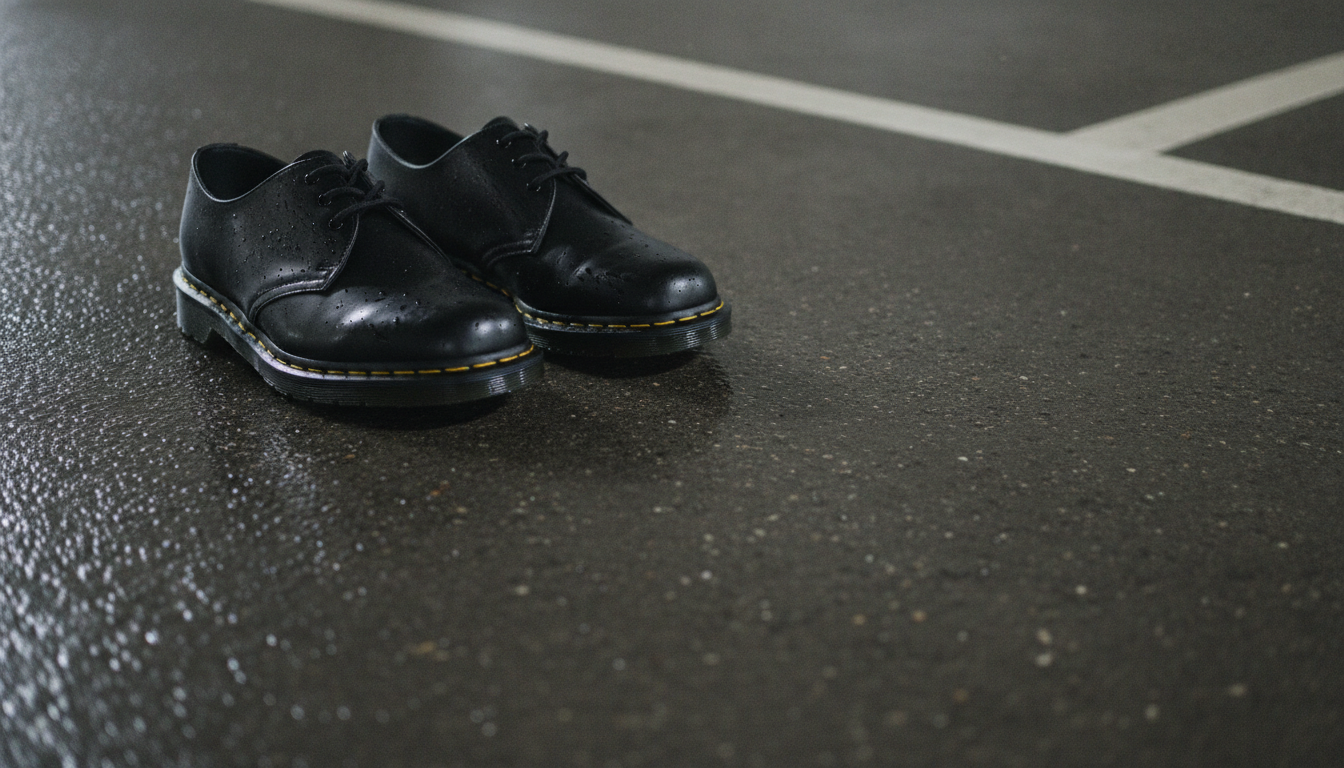
Dr. Martens Men’s Black Leather Lace-Up Shoes: A Reliable Leather Staple
Dr. Martens men’s leather lace-up shoes are known for sturdy leather uppers, distinctive construction, and a look that works from casual denim to smart-casual outfits. The black leather lace-up pair in particular earns its place as an everyday option because it’s easy to style, feels secure on-foot once dialed in, and tends to age well with basic care. Below are the practical details that matter most: what makes them stand out, how to choose a comfortable fit, a realistic break-in plan, and simple maintenance to keep the black leather looking clean.
What Makes These Leather Lace-Up Shoes Stand Out
- Structured leather upper: The leather typically starts firm and supportive, then softens and molds with regular wear.
- Lace-up adjustability: Laces help fine-tune tension across the forefoot and instep while improving heel hold.
- Built for repeat wear: A durable outsole and sturdy construction make them well-suited to commuting and long days on your feet.
- Versatile black finish: Black leather pairs with nearly any color palette—denim, chinos, wool trousers, or monochrome looks.
- Casual-to-smart-casual range: With the right outfit, they can read relaxed or refined without feeling out of place.
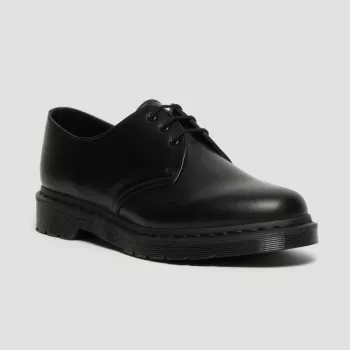
If you’re shopping specifically for this style, see the Dr. Martens Men’s Black Leather Lace-Up Shoes currently available in stock.
At-a-Glance Specs and Buying Details
For quick decision-making, here are the key buying details—color, materials, closure type, and current availability—so you can compare at a glance.
| Detail | What to know |
|---|---|
| Product | Dr. Martens Men’s Black Leather Lace-Up Shoes |
| Price | $121.51 USD |
| Stock status | In stock |
| Upper material | Leather |
| Closure | Lace-up |
| Color | Black |
For brand background, materials, and heritage styling, you can also reference the Dr. Martens Official Site.
Fit and Sizing Tips (Comfort First)
Comfort starts with two checkpoints: secure heel hold and enough toe room. When standing, your toes shouldn’t press the front of the shoe, and you should be able to wiggle them slightly. A firm feel across the upper is common at first with structured leather, but the goal is “snug and supportive,” not painful.
- Check the heel: A small amount of initial heel movement can happen, especially with new leather, but your heel shouldn’t feel like it’s popping out with every step.
- Mind the instep: If you have a higher instep, use lacing to distribute pressure—don’t crank down the laces at the top to compensate for looseness elsewhere.
- Plan for sock thickness: If most wears will be with medium or thicker socks, make sure you have that room from day one.
- Insoles can refine the fit: If the length feels right but you want a touch more security, a thin insole can reduce volume without forcing you into a smaller size.
For general fit and foot comfort best practices, the American Podiatric Medical Association is a useful reference point on footwear basics.
Break-In Plan: 7–14 Days Without the Blisters
Leather lace-up shoes often reward patience. A realistic break-in window is about one to two weeks, depending on how long you wear them each day and whether you alternate pairs. The best approach is gradual, proactive, and friction-aware.
- Days 1–3: Wear indoors for 30–60 minutes to identify pressure points (heel collar, tongue edge, pinky toe area). Adjust lacing before you ever take them out for a long walk.
- Days 4–7: Short outdoor trips with medium-weight socks to reduce rubbing. If a hotspot appears, use blister pads or moleskin immediately—don’t “power through.”
- Week 2: Increase time on foot. Alternate wear days so the leather can relax and adapt more evenly.
- Light conditioning: After the first few wears, apply a small amount of leather conditioner to help reduce stiffness. Avoid over-conditioning, which can make leather feel overly soft or attract dirt faster.
Over time, the upper should flex more naturally at the ball of the foot, and the heel counter area should feel less rigid without losing support.
Leather Care and Maintenance (Keep the Black Finish Clean)
Black leather looks best when it’s clean, lightly conditioned, and buffed. You don’t need an elaborate routine—just consistency.
For broader guidance on responsible leather practices and care fundamentals, see the Leather Working Group.
How to Style Black Leather Lace-Up Shoes
When to Choose These vs. Boots or Sneakers
| Option | Best for | Look/feel |
|---|---|---|
| Leather lace-up shoes | Everyday versatility, smart-casual outfits | Structured, classic |
| Leather boots | Colder weather, rugged styling | Heavier, more coverage |
| Sneakers | Light walking, relaxed outfits | Flexible, sporty |
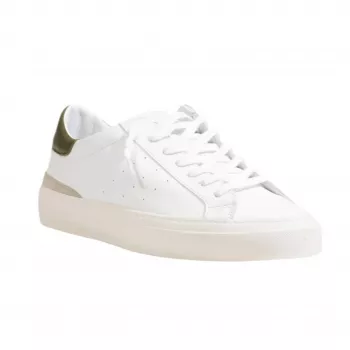
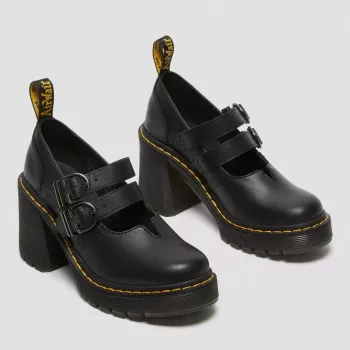
If you want an alternative with more coverage, consider the Dr. Martens Women’s Black Leather Round Toe Boots. For a lighter, sportier option suited to casual days and travel, the EA7 Men’s Black Fall/Winter Sneakers are also in stock.
FAQ
Do Dr. Martens leather lace-up shoes run true to size?
They often fit true to size in length, but the leather can feel firm and structured at first. Prioritize a secure heel and enough toe room, and remember that thicker socks or adding an insole can change how the size feels day to day.
How long does it take to break in leather lace-up shoes?
Most people need about 7–14 days of gradual wear. Start with short indoor sessions, use medium-weight socks, protect hotspots early with blister pads, and increase wear time in steps to avoid friction issues.
What’s the best way to clean and polish black leather shoes?
Wipe them clean with a soft cloth, let them dry naturally if wet, then condition lightly and buff. When scuffs show, apply a black cream or polish sparingly and buff again for an even, refreshed finish.






Leave a comment