Leather vs Running Shoes: What Works Best for Runners
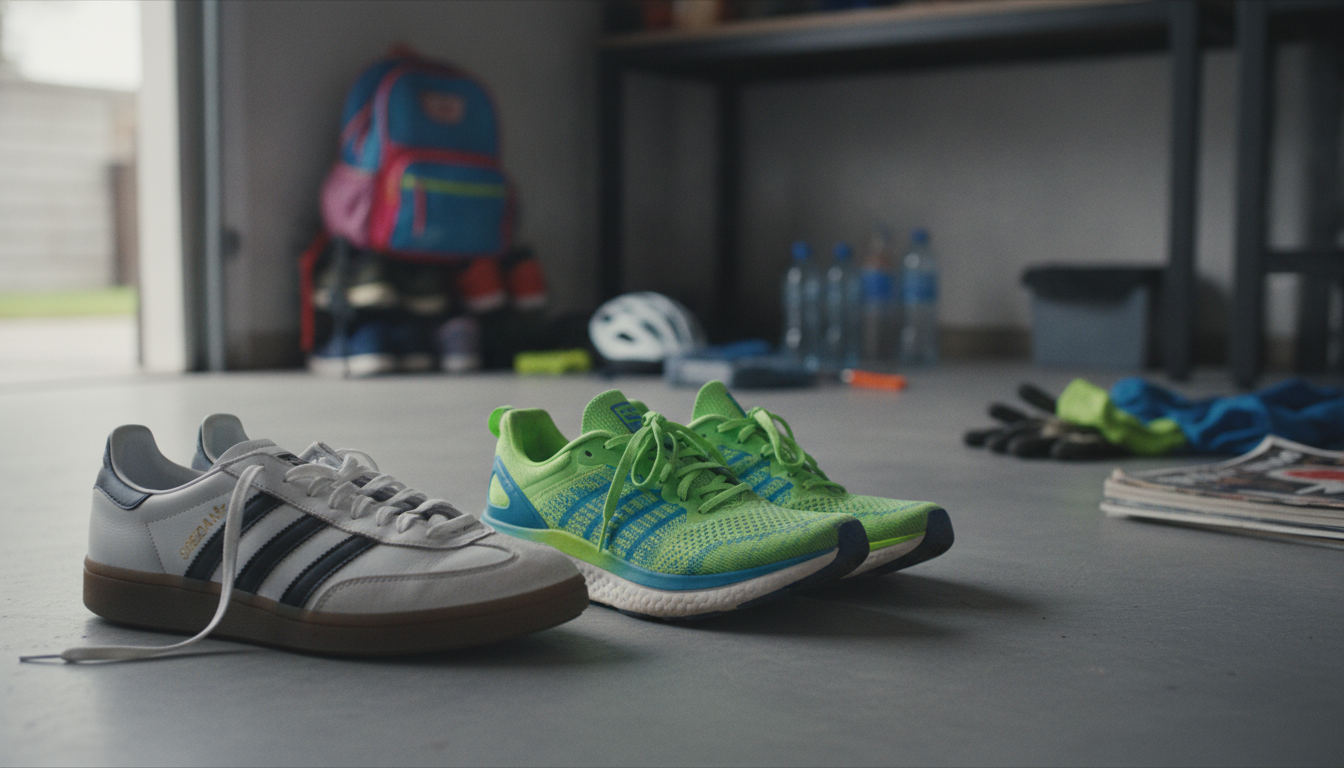
Are leather shoes better for running?
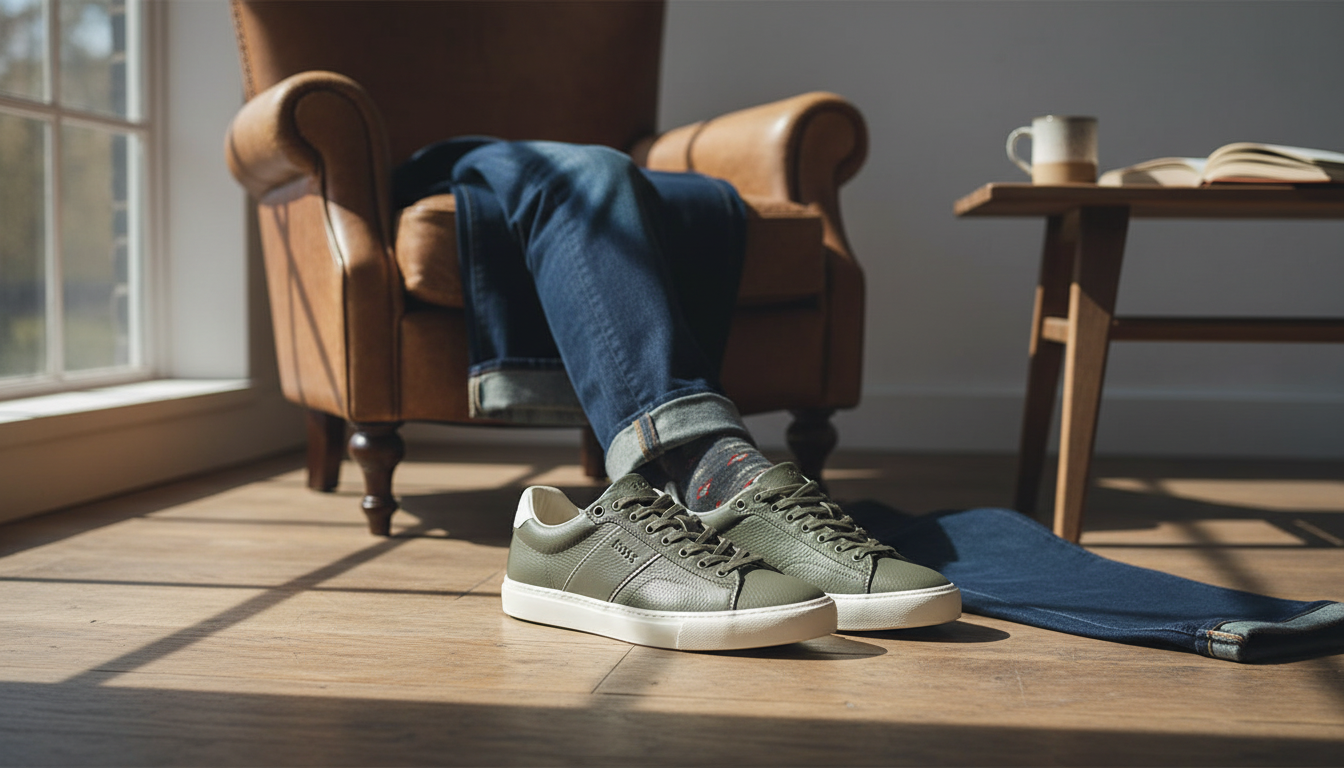
Usually, no. Leather shoes can look great and feel supportive for everyday wear, but most runners do better in purpose-built running shoes made with lightweight mesh or knit uppers and running-specific midsoles. Running puts repeated impact and flex demands on footwear, and leather typically adds weight, traps more heat, and breaks in more slowly than modern running materials.
When leather can work (and when it doesn’t)
Leather may be a reasonable choice for short, casual runs or walking-to-running commutes if comfort is already excellent and the shoe flexes naturally at the ball of the foot. Some runners also like leather’s durability and structured feel for low-impact use.
For regular training, speed work, or long distances, leather is usually a drawback. It can feel stiff through toe-off, retain moisture longer, and increase fatigue because it’s heavier. Those factors can contribute to hot spots, blisters, and a less efficient stride, especially in warm or wet conditions.
What matters more than material
Fit and foot shape
A secure heel, enough toe room, and no pressure points matter more than whether the upper is leather. If leather pinches at the forefoot or rubs at the heel, it’s a poor running option.
Cushioning and stability
Many leather shoes aren’t engineered with the foam geometry, rocker shape, or support features that help manage repetitive impact. If the midsole feels flat, hard, or unstable, switching to a running shoe typically improves comfort and reduces irritation.
Breathability and moisture management
Running generates heat. Breathable uppers help keep feet drier, which lowers blister risk. Leather can be less ventilated, and once it gets wet, it may stay damp longer than mesh.
Practical recommendation
If the goal is comfort and performance, choose dedicated running shoes and reserve leather for casual wear, travel days, or light activity. For a deeper breakdown of pros, cons, and what to look for in a running-ready pair, visit the full guide on whether leather shoes are better for running.
FAQ
What should you look for in a good running shoe?
Prioritize a secure fit, enough toe space, and a midsole that feels cushioned without wobbling. Breathable uppers and a flexible forefoot also help keep runs comfortable over longer distances.







Leave a comment